


In Gaza, breast cancer is often detected too late—not because the disease is more aggressive, but because early screening services are limited, disrupted by conflict, and difficult for women to access. In this context, artificial intelligence is not a technological luxury; it is a practical, life-saving tool.
Spark developed HopeWave to support early breast cancer detection in a fragile healthcare system, where access to mammography and specialized diagnostics remains inconsistent.
1. The Challenge: Late Detection in Fragile Health Systems
In stable settings, early detection relies on regular mammography screening. In Gaza, however, damaged infrastructure, shortages of equipment, and restricted mobility mean that many women enter the healthcare system at advanced stages of the disease, when treatment options are limited and outcomes are poorer.
2. The Solution: AI as a Smart Triage Layer
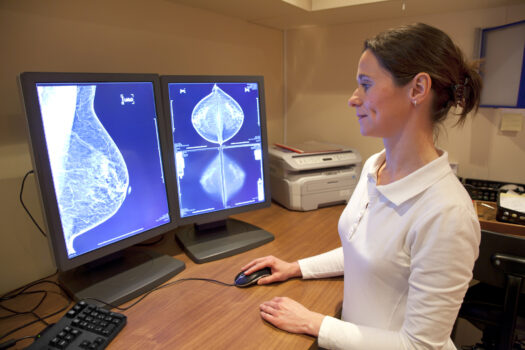
HopeWave acts as an AI-powered decision-support layer within the care pathway. By analyzing medical images and prioritizing high-risk cases, it helps clinicians identify which patients require urgent referral for advanced diagnostics. Rather than replacing mammography, HopeWave optimizes its use—ensuring scarce resources reach those who need them most.
3. From Emergency Response to Sustainable Care
Designed for low-resource and crisis settings, HopeWave supports a shift from reactive to preventive healthcare. By enabling earlier detection, reducing diagnostic delays, and strengthening local clinical decision-making, the initiative contributes to more sustainable, equitable breast cancer care in Gaza—and offers a model for other fragile contexts worldwide.